Field service management software built inside the work
Many business systems are designed from a clean diagram. Service operations are not clean diagrams. A work order may begin in an email, phone call, customer portal, or vendor system. It can pass through an account team, dispatcher, field employee, subcontractor, customer approver, and accounting team before it is complete.
MasterlineIQ is internal field service software built around that reality. Shared inbox, work orders, vendor dispatch, estimates, and invoices are live operating areas inside Masterline. Connecting every handoff into one governed view remains the broader design direction.
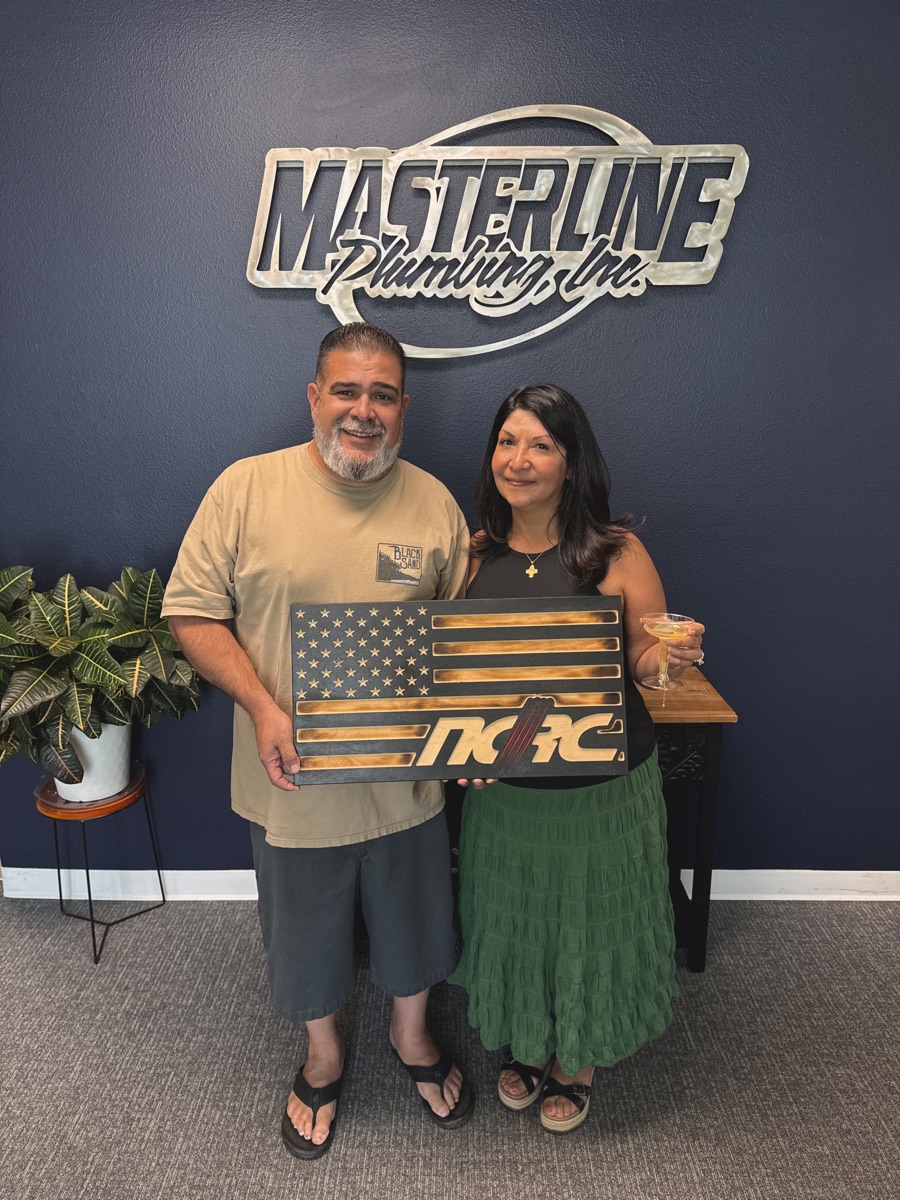
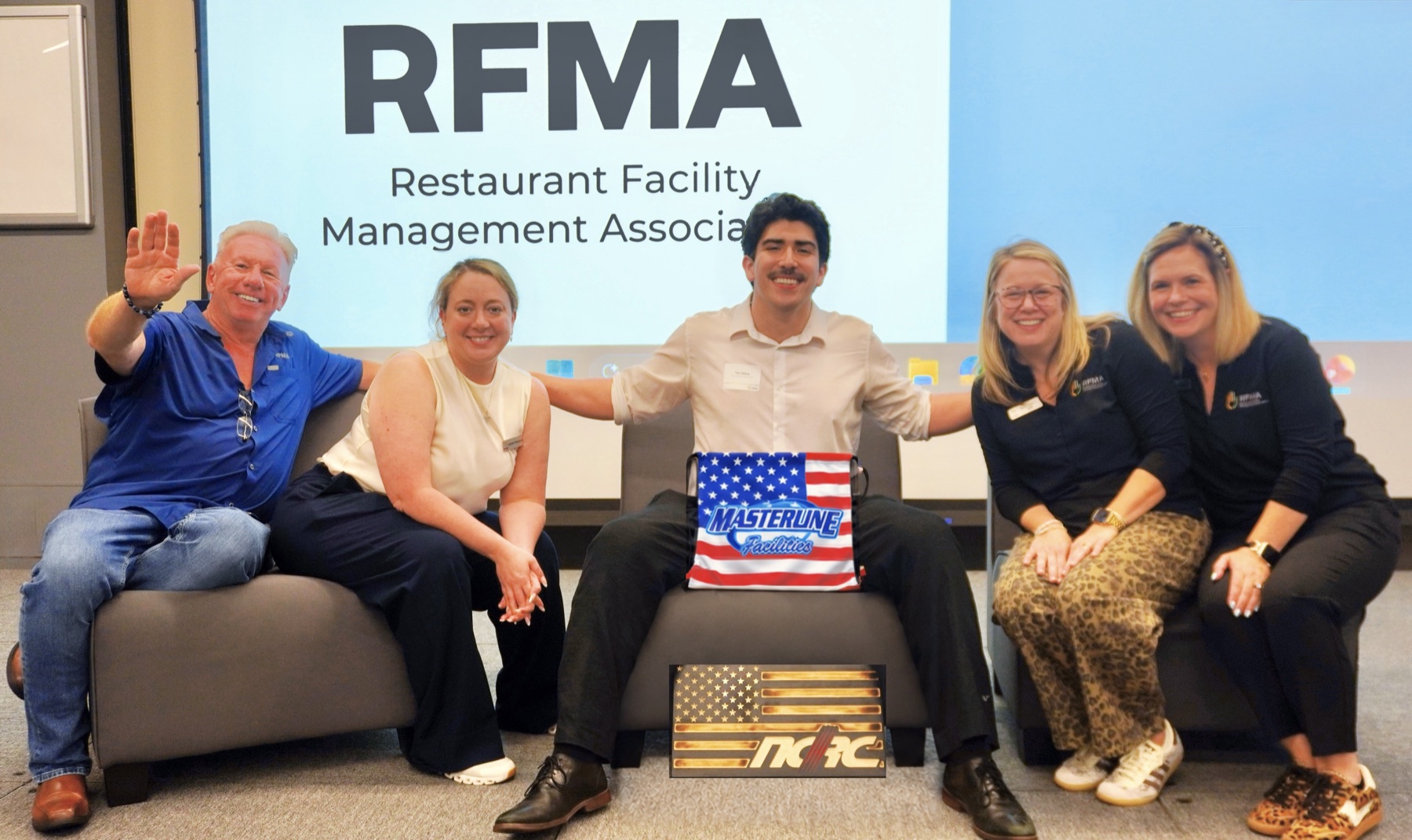
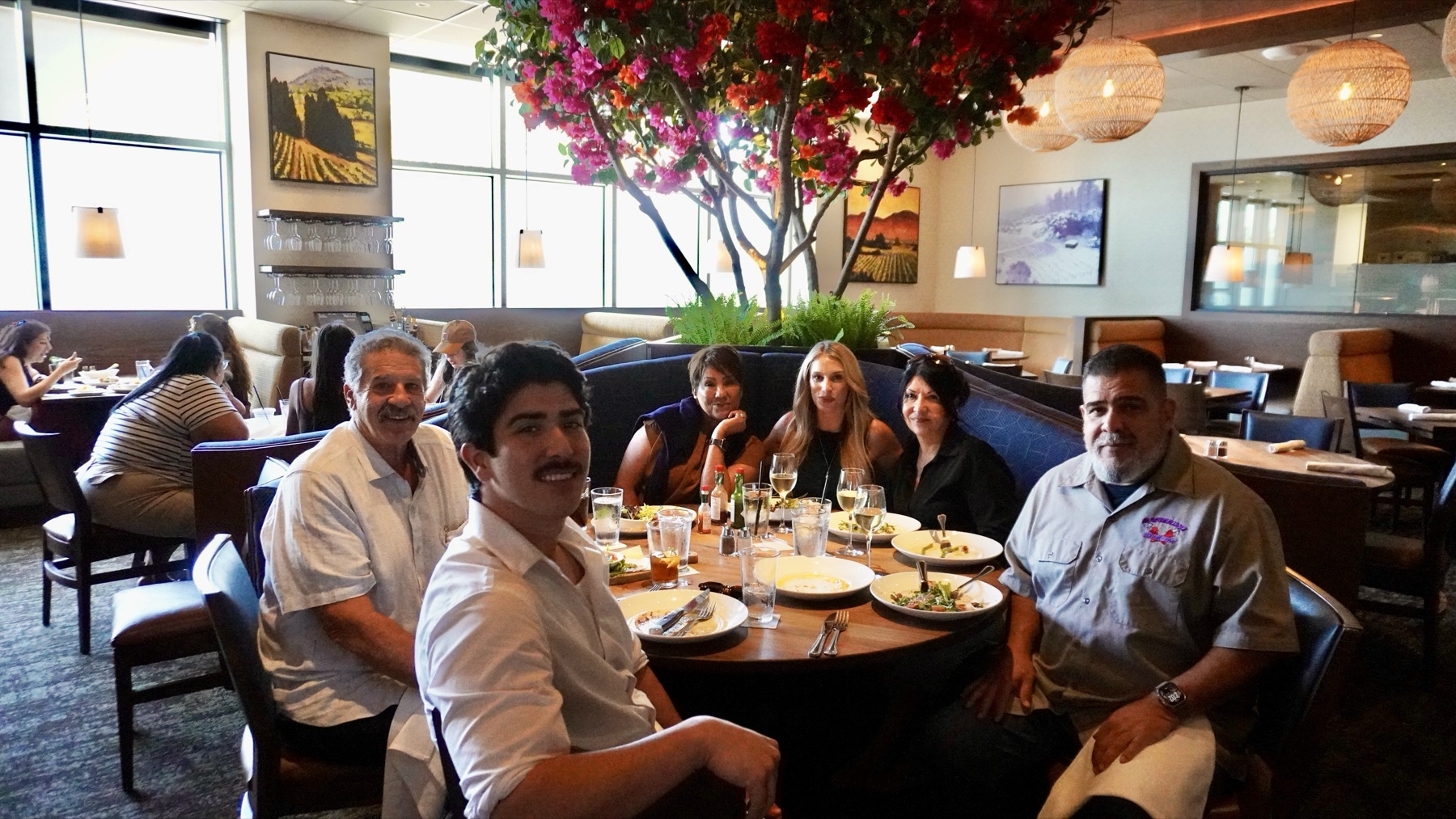
Masterline’s acquisition of NCRCexpands that real-world environment. NCRC brings more than 40 years of facilities knowledge and a coordinated service footprint across all 50 states. Masterline brings direct field capacity, operating discipline, and a technology team working beside the operators.
Integration begins with continuity
NCRC customers should not have to relearn how to request service. Existing NCRC channels and agreements remain in place. The first job of the technology is to preserve those paths while making the work easier for the combined team to see, assign, complete, and document.
That means connecting inboxes and phone workflows, preserving account history, creating clear ownership, and ensuring that information follows the work order instead of living in disconnected systems.
AI and work-order automation need visible human decisions
The broader design direction is to help operators review aging work, service gaps, and customer context. These are workflow goals, not a claim that every capability is released or that operating outcomes have been measured.
The system does not remove responsibility. People review important outreach, pricing, financial, and operating decisions. The goal is to give operators better context and remove avoidable administrative work—not to make the company less accountable.
Multi-company operations need clear boundaries
NCRC remains its own legal entity and brand inside the Masterline family. A useful operating system must respect that structure. It should let each company keep the right identity, permissions, workflows, and records while allowing approved teams to coordinate across the larger organization.
This acquisition is therefore more than a customer story for MasterlineIQ. It is a demanding product test—and the kind of test that makes operating software better.
See MasterlineIQ’s current live operating areas and the live core and broader direction for service business work-order automation.