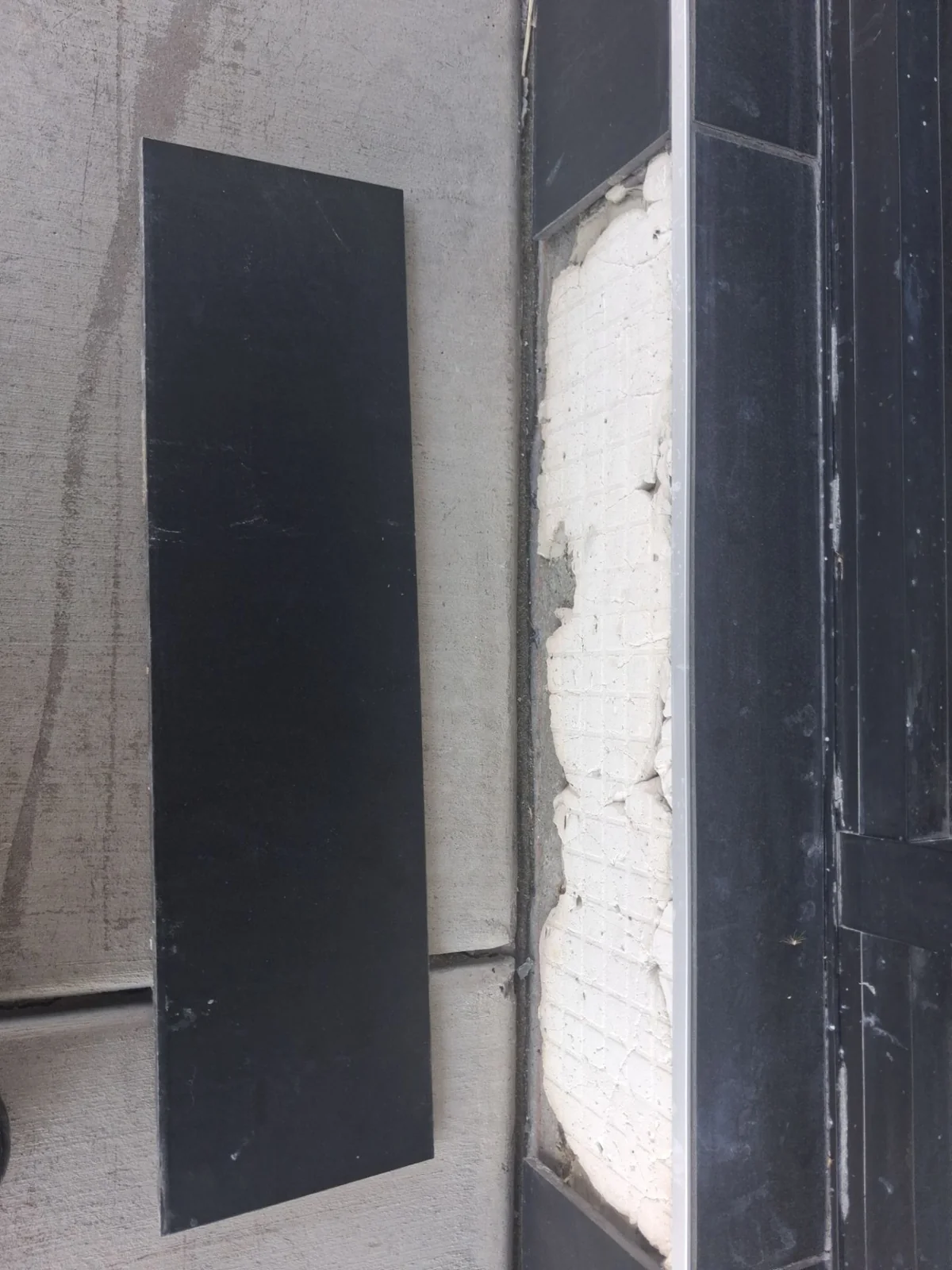
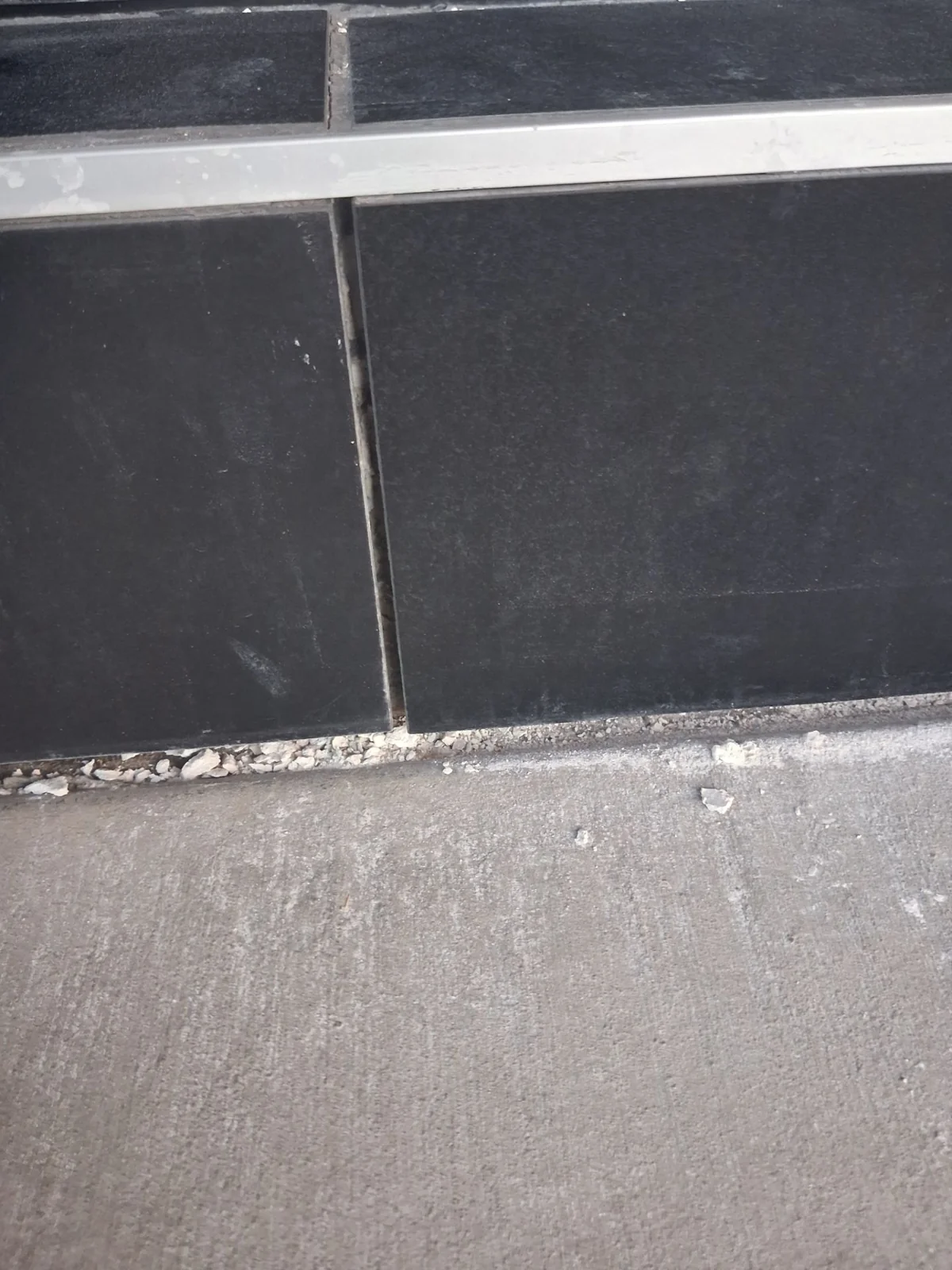
A tile was back on the wall, but the grout still needed work. That difference matters. IQ kept the first visit and the return visit on the same work order, so the finish step stayed part of the job.
Read Masterline Facilities’ tile repair case for the field work. This story shows how our work order software kept two visits and the office handoff together.
Keep the promise to return beside the first note
The October 9 work note says the tech put the tile back and told the manager he would return for grout. That was a plan, not proof of a second visit.
IQ also holds a separate October 12 visit, time record and work note. That later note says the tape was removed and the tile was grouted. The record shows when the return happened. We do not turn the earlier promise into a visit on the next day.
The chain from request to a draft bill
| Step | Saved record | What it tells the next person |
|---|---|---|
| Request | The fallen-tile request, saved October 9 | The starting scope |
| Dispatch and visits | One assigned tech; two completed visit records | Both visits belong to the same job |
| Work and photos | Separate notes and original photos | What was done first and what was finished later |
| Sign-off | Two saved visit sign-offs | The record of each visit’s handoff |
| Billing | An October 19 draft bill; ready-to-bill stage | Office work had started. Sending and payment are separate steps. |
A draft bill still needs review
The saved billing draft includes the work notes and service items. No linked invoice or billing export was returned at review. We cannot call this a sent bill or a paid job.
This is a practical limit in field service billing: the repair, a saved draft and a sent invoice are different events. The office should check the scope and visits before it sends the bill.
A clear return-visit handoff
- Say what is finished.
- Name the step still needed.
- Record the actual return visit, not just the plan.
- Keep its note, photos and sign-off with the job.
- Check the bill as a separate office step.
IQ is the software backbone for these saved request, dispatch, field and office records. It did not attach the tile or confirm its condition by itself. This case does not measure time saved or show an AI decision.
See our work order management software workflow for the broader process. Use Log into IQ if you already have access.
MasterlineIQ (MIQ) was built by Tim Yslava for the family’s businesses. IQ is our internal software. It is not for sale.
Based on saved IQ work notes, visit records, full event history and matched original photos reviewed October 23, 2026. Private names, addresses, prices, contacts and signatures are omitted. Photos support the story; work results come from the dated service notes.